6-Minute MUST Read
At a time when some major problems are beginning to affect the entire globe, it can be easy to lose sight of what really matters. If you asked a random person these days about the biggest problems affecting the world today, they’d likely say, the pandemic, climate change, economic decline, political instability, racism, sexism, inequality, poverty and exploitation. However, while these absolutely are some of the worst, they’re symptoms of something larger.
When you’re sick, and you have a fever, while the fever can create problems in itself, the fever is a symptom of some underlying sickness. While you still continue to treat the fever, to return to health you need to address the sickness causing the fever. So, I’m certainly not saying that we need to stop exerting efforts in these areas, but the global fever is getting worse, and if the underlying illness isn’t treated, the fever will eventually kill the host. So, it’s time we address the problem underneath if we’re going to create any real, healthy change.
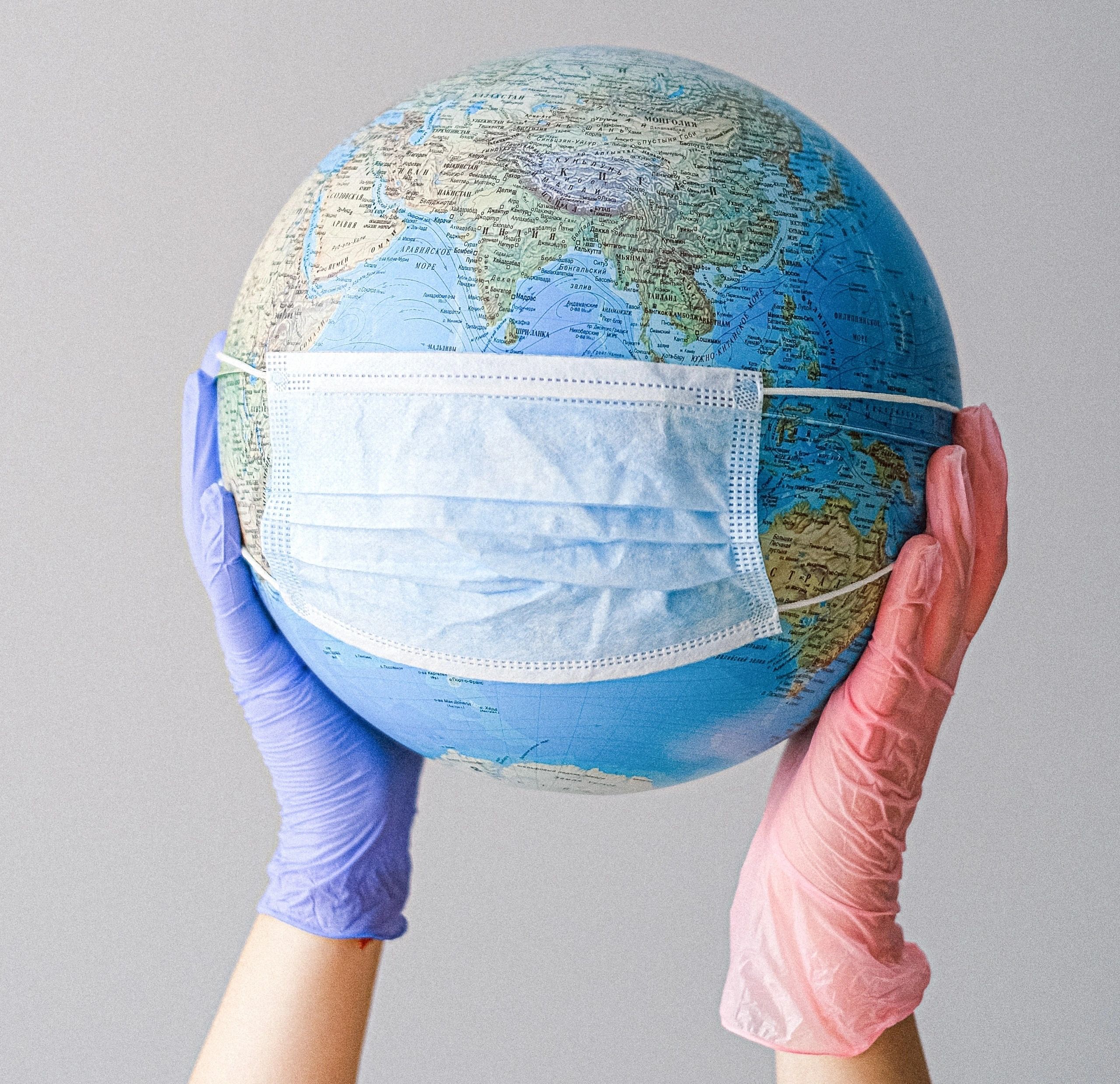
So, what’s underneath these global issues? The coronavirus isn’t the problem, it’s just doing what viruses do. Lockdowns aren’t the problem, they’re valid reactions to the problem. The problem of the pandemic is that people aren’t willing to do what’s necessary to contain and eliminate it. Viruses need a host to survive, so if we stop giving it new hosts, it dies. But, to blame ‘humanity’ doesn’t offer solutions. What is it in people that causes them not to listen to experts or to do what’s necessary?
Climate change is a problem, but it’s also a symptom. Increased greenhouse gases are a problem, but they’re also a symptom. Pollution is a problem, but it’s also a symptom. We can blame governments and industry, but they’re largely doing what the people want. While the media might report people screaming out to stop things like oil extraction and clearing the rainforest, the people, through the market, are also screaming out for jobs and more products at cheaper prices. The human desire for more is driving global destruction. But, again, it doesn’t serve us to simply blame humanity. What drives our desire for more?
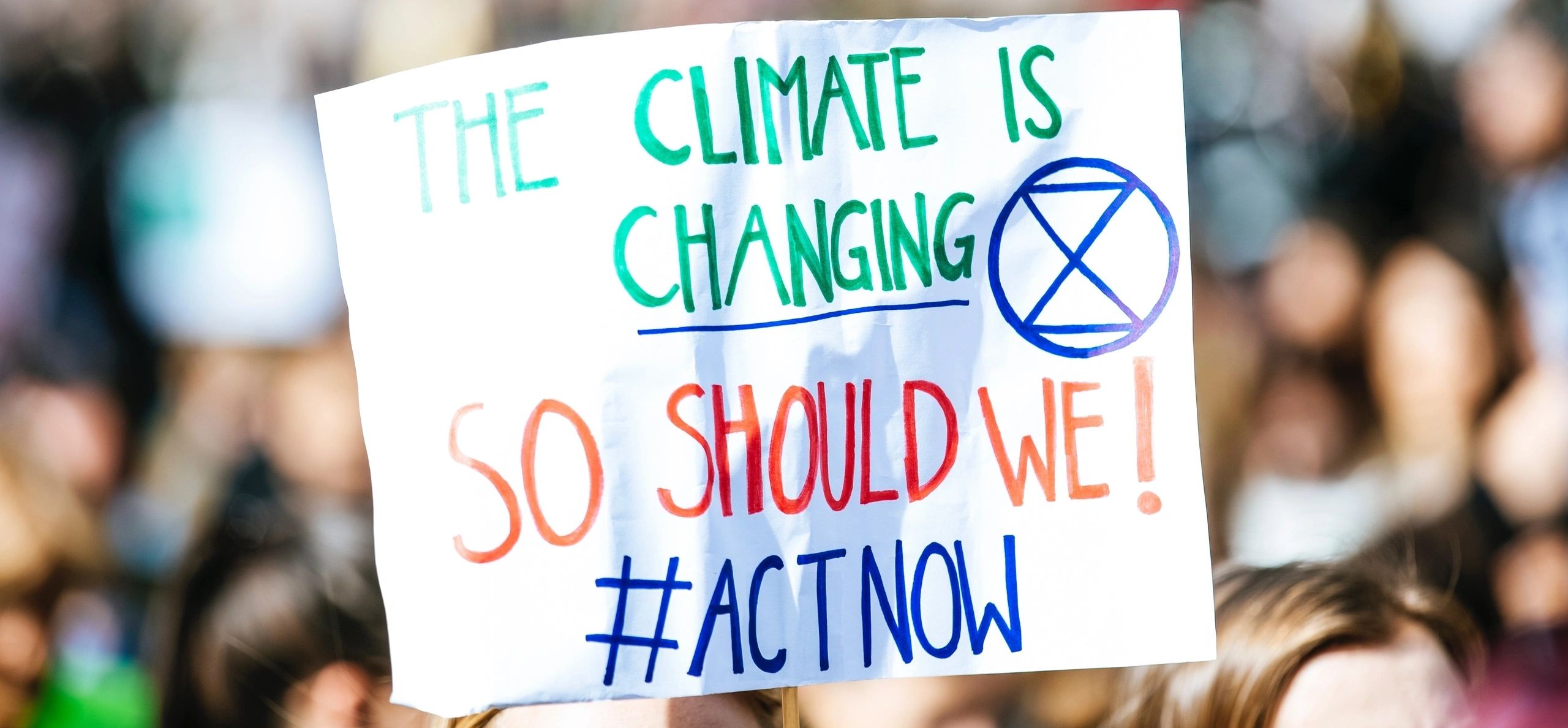
Inequality and injustice related to race, gender and sexuality are a hot button topic these days (though they’ve always existed everywhere). But, while racism, sexism and other forms of exclusion and prejudice are problems that create other problems, they too are symptoms. While a lot of prejudice is inherited through the home and community, it is completely natural for humans to judge and categorize people. Every single human does it, including the ‘woke’. We categorize people into groups, such as trusted, similar, hot, dangerous, boring, useful, etc, whether we realize it or not. But what causes some people to cast such wide nets, lumping many diverse people into one group, such as ‘women’, or ‘black’, or ‘homosexual’, when it’s common, for example, for a specific man and woman to have more in common than two specific women, etc.?
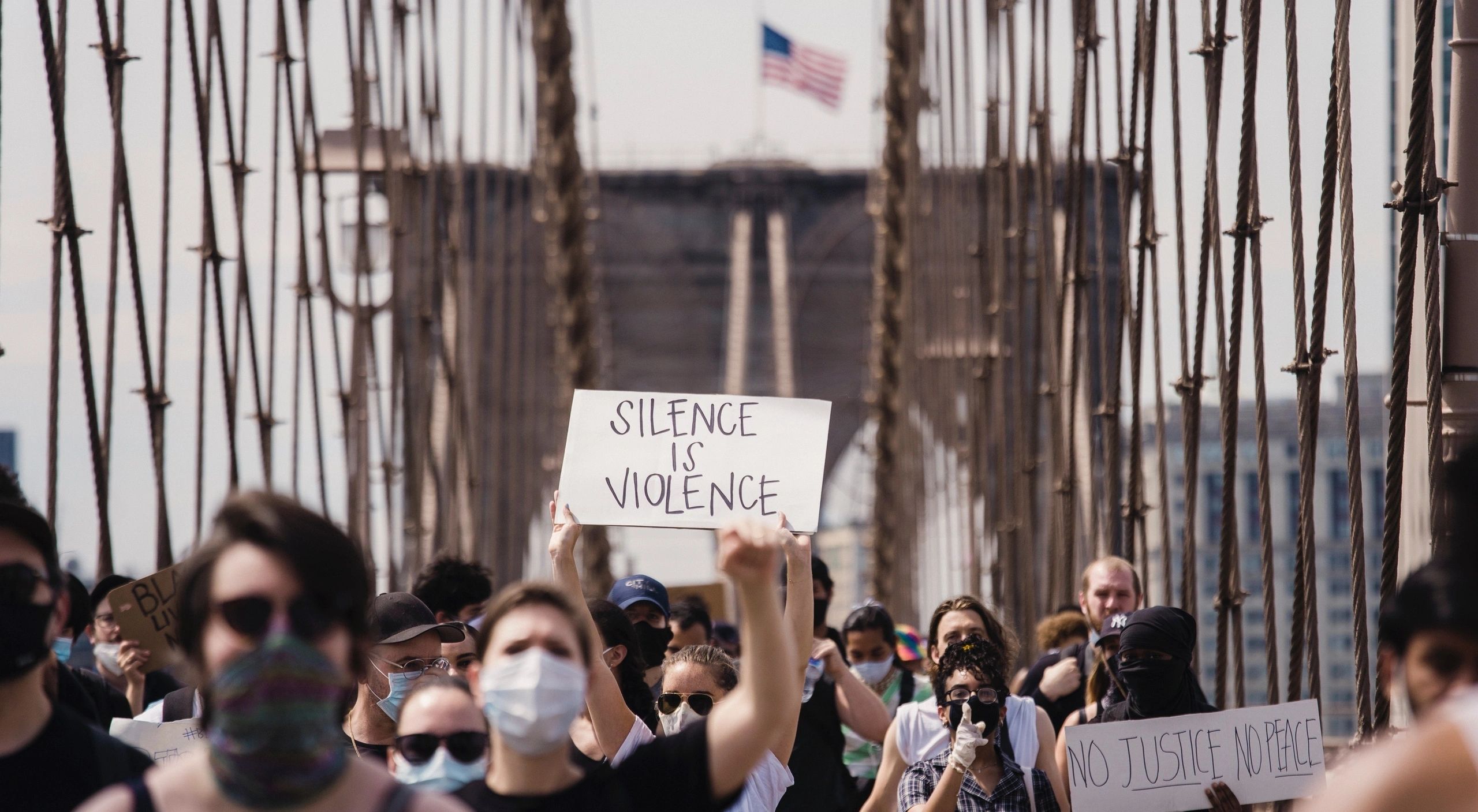
There are enough resources in the world for everybody, but many live in poverty. Poverty is a result of both negligence, because most governments and the wealthy pay no attention to it, and exploitation, because those who control the means of production seek to maximize profit at everybody else’s expense. While this, again is derived from the human desire for more, it’s also a result of dangerous levels of selfishness. But what drives this selfishness?
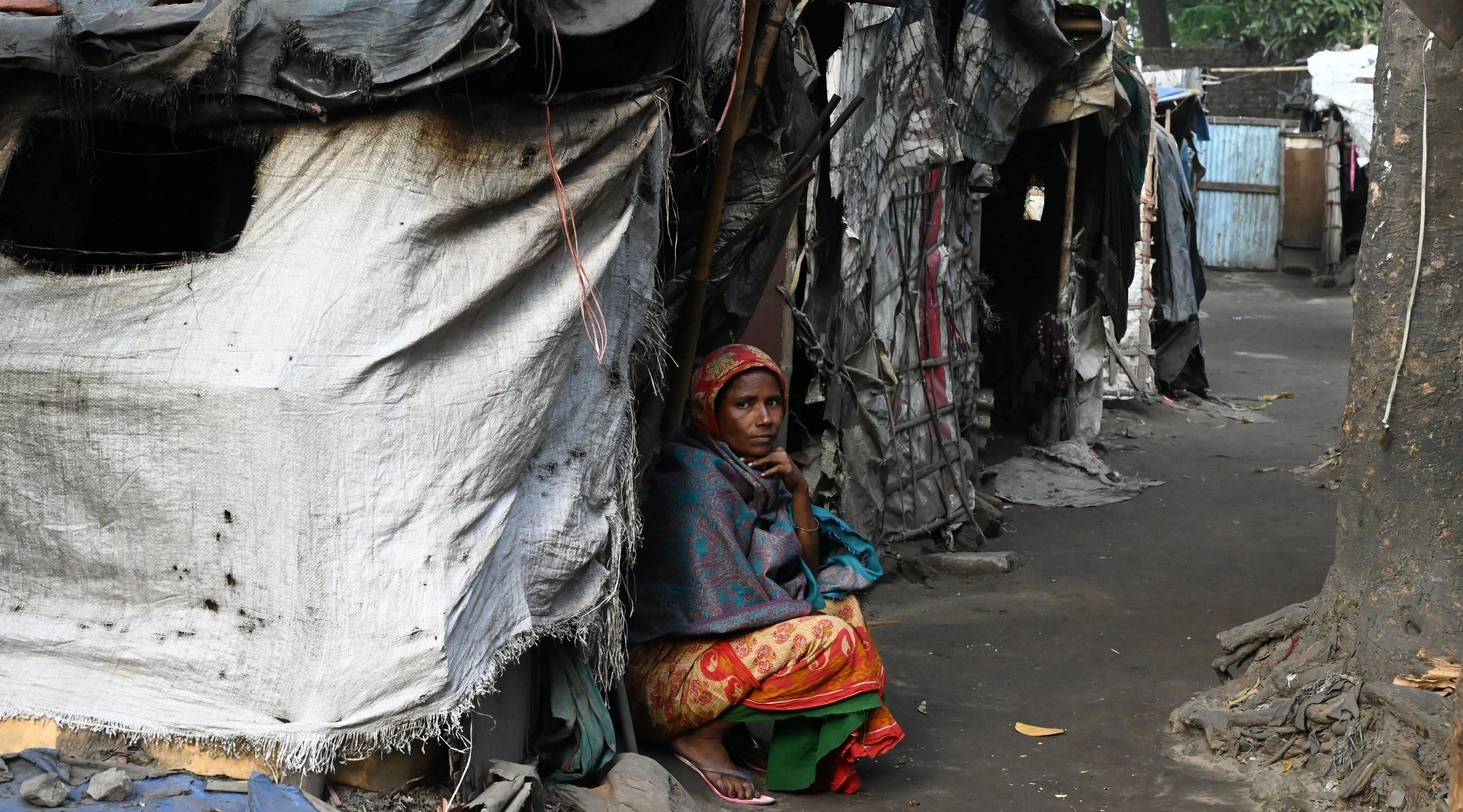
All these problems are connected, and no group of people is innocent. We can’t blame all the world’s problems on the top 1%, or big companies, or governments, or specific countries. Everybody is part of the cycle of exploitation and inequality. However, everybody is capable of becoming part of the solution, and it’s necessary that everybody becomes part of the solution.
That being said, we have to accept that all people are self-interested in everything they do. Telling everybody to make sacrifices for the greater good isn’t a viable solution. Since these problems won’t be solved in our lifetime, we especially can’t ask the entire world to suffer and sacrifice for a future people we don’t know. So, we can only consider solutions that are in everybody’s best interest now and in the future.
So, what’s the connection? What’s the underlying problem? Our failure to follow pandemic rules stems from a lack of understanding or insecurity, as we can’t handle being alone, or can’t afford not to be out making money. Our desire for more stems from insecurity, that we don’t have enough, not only to survive but in comparison to others. How many people do you know that wouldn’t be caught dead with an old version of the iPhone, unless they’re a hipster who wouldn’t be caught dead with the newest version? Our prejudices and discrimination stem from a lack of experience and insecurity. We want to be part of something, but the human race is too big, abstract and diverse, so we create, sometimes arbitrary divisions. We also want to feel good about ourselves by imagining ourselves superior to some group of people. The poor consider themselves superior to the rich in some ways, while the rich consider themselves superior to the poor in other ways.
So, insecurity and a lack of experience and understanding are at the root of all the world’s problems. So, then, what’s the solution? Human Development.
Now, while some of you might be thinking, “how convenient…the human development guy is saying his field is the most important in the world”, it’s actually the reverse. I left Canada ten years ago and have traveled, lived, worked and studied around the world while looking for a problem to solve, and I encountered every kind of problem. However, when I started examining each one and potential ways to fix them, with every problem I came to the same conclusion—natural, undeveloped human behaviour is responsible for every problem. The only solution is to change behaviour, and not just of the obvious offenders, but everybody. These problems are ‘embedded’ in humanity, meaning that there are many social, economic, political, religious, and cultural forces supporting and reinforcing them, with all of those forces supported and reinforced by our insecurities.
So, what is human development and how does it help?
As I explain in detail in my book, human development is the development of independent capabilities to satisfy all of our needs and insecurities, including Abraham Maslow’s physiological, safety, social, and esteem needs, as well as a need for purpose. Not only do we need to be able to satisfy them, but we need to feel comfortable that we’ll always be able to satisfy them, thus reducing insecurities.
Additionally, it involves mastering all of our needs and drives under the master drive—the conscious will. At any given moment there’s a chaotic battle going on in our body as each of your insecurities, needs and drives fight for dominance so they can be satisfied first, in the way they want. For example, maybe you’re trying to diet and lose weight, but your hunger drive and emotions push you to eat things you’d rather not. You think and say, “I’ll get a salad” but you find yourself ordering the burger anyway. This is a case of an unconscious drive overpowering your conscious will. So, development seeks to strengthen your conscious will, not by negating your other drives, but by learning to understand them and keep them satisfied.
To thoroughly explain human development, I’d have to rewrite my book here for you, which is too much, but we can at least talk about how development serves as a solution to the world’s problems.
By gaining awareness and solving the riddle of ourselves, overcoming our insecurities and mastering the satisfaction of our needs, we no longer need to spend our energy on ourselves. In fact, it gets boring to do so. So, we naturally look outside of ourselves. Having mastered the development of ourselves, we now have the interest, knowledge, tools and abilities to contribute to the development of others and the solving of other problems. Furthermore, feeling fulfilled, our consumption of resources vastly decreases. When all of our needs are satisfied, we are free to look at other people as people, rather than tools of needs-satisfaction. The knowledge that we gain about ourselves also allows us to understand other people as well. We’ll still categorize them, but they won’t be arbitrary, as race, gender, and sexual orientation, etc. are. We’ll be freed from ourselves; we’ll be able to choose love; and we’ll be happy.
So, to sum up, while we will still benefit by working on the biggest global symptoms, the only way we can be healthy, is for everybody to make the effort to develop themselves.
It’s in your best interest.
- Patrick Whelan